 Business License

Why Modern Manufacturers Choose leduvcuringlamp for Precision UV Curing
The Hidden Flaws of Traditional UV Curing Technology
For decades, mercury lamp curing has dominated industrial UV processing for printing, coating, and electronic bonding. While this traditional method can complete basic curing work, it carries many unavoidable drawbacks that hinder high-precision manufacturing. Mercury lamps generate excessive heat during long-term operation, causing thermal deformation on thin substrates, fading on colored surfaces, and micro-cracks on rigid materials. They also consume large amounts of electricity, produce harmful ozone, and require frequent bulb replacement, which increases long-term production costs and workshop maintenance pressure.
How leduvcuringlamp Solves Practical Production Pain Points
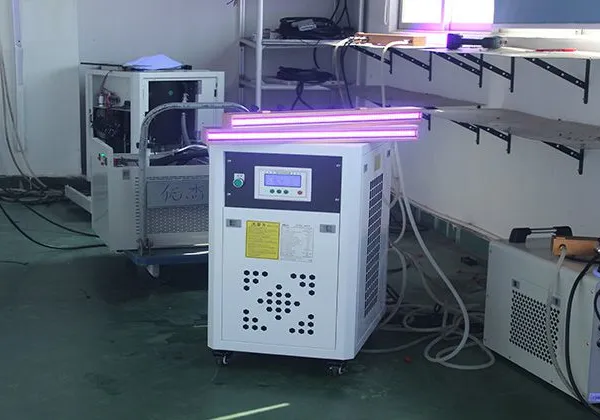
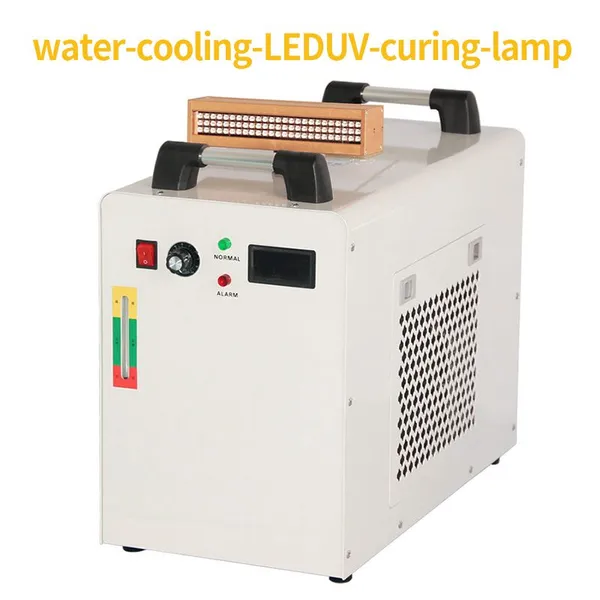
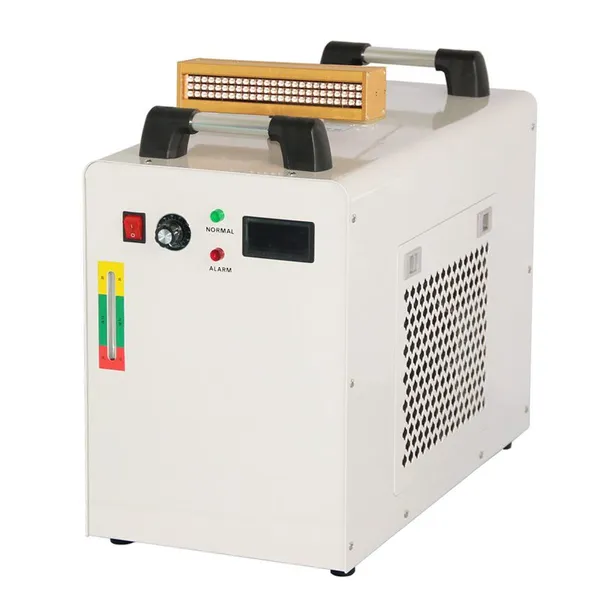
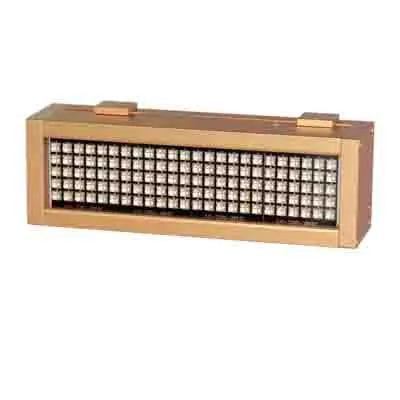
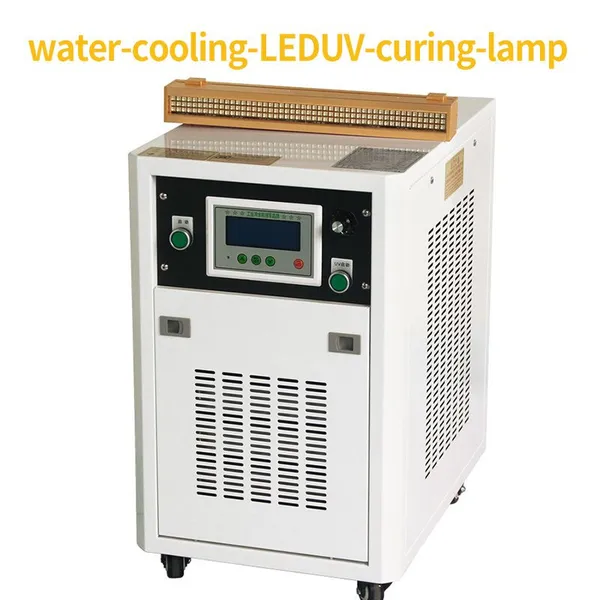
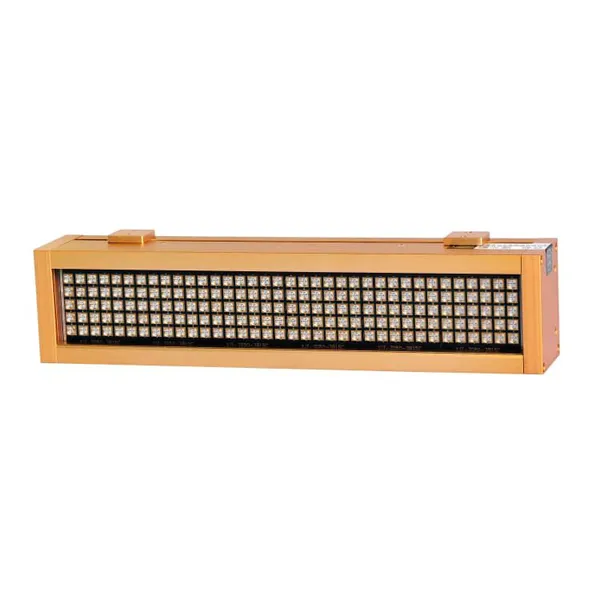
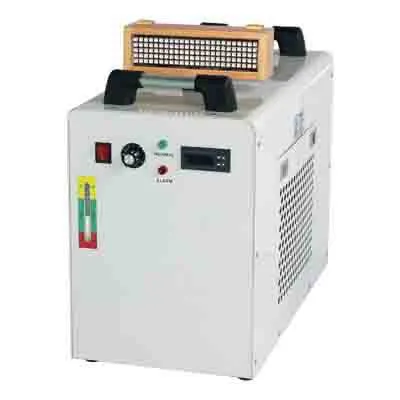
As industrial production continues to upgrade toward high precision and low energy consumption, the leduvcuringlamp has gradually become the mainstream replacement for traditional curing equipment. Different from heat-intensive mercury lamps, this modern curing device adopts cold-light LED technology paired with professional water-cooled systems. It maintains a stable low-temperature working state throughout the curing process, eliminating thermal damage to heat-sensitive materials such as flexible circuits, plastic films, and optical glass.
Adaptive Performance for Diverse Industrial Scenarios
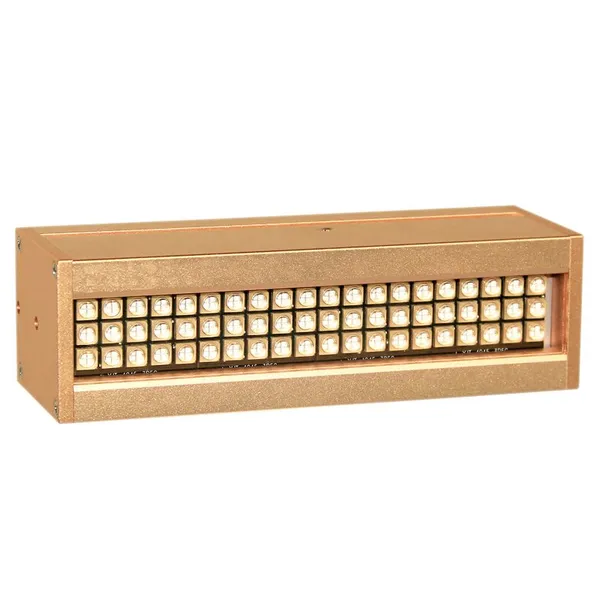
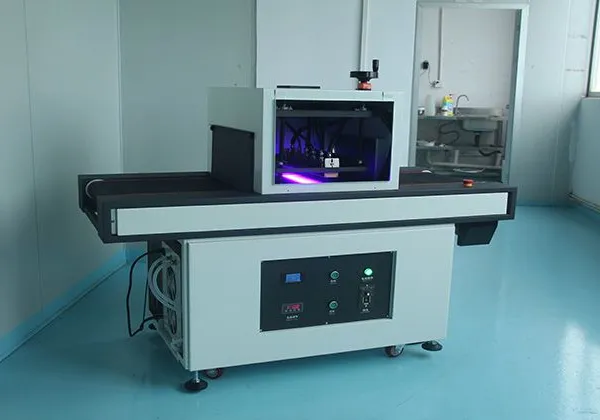
One of the most valuable advantages of the leduvcuringlamp is its highly adaptable curing performance. Equipped with standard 365nm and 395nm wavelength options, it can perfectly match different types of UV ink, UV paint, and optical adhesive formulas used in various industries. The uniform and concentrated UV energy output ensures every coating and bonding layer achieves complete, consistent instant curing. It effectively avoids common defective problems including incomplete curing, residual stickiness, uneven gloss, and weak bonding strength.
Long-Term Value for Sustainable Production
Beyond stable curing quality, the leduvcuringlamp also brings outstanding environmental and economic benefits for modern factories. It produces no ozone pollution and features ultra-low power consumption, fully complying with international environmental and safety standards. With a longer service life and stable continuous working performance, it greatly reduces equipment failure rates and manual maintenance frequency. For printing plants, electronic assembly factories, and packaging manufacturers, applying reliable LED UV curing technology is no longer a simple equipment upgrade, but a key step to stabilize product quality, reduce waste, and improve overall production competitiveness.
Recently Posted
-
The Complete Buyer's Guide to LED UV Curing: What Every Production Manager Should Know Before Upgrading
October 15, 2026Why This Guide Matters Before You Spend a Dollar on Curing EquipmentIf you have ever stood on a production floor watching ink dry Read More
-
CT10 LED UV Curing Lamp: Redefining Precision Industrial Curing Standards
October 8, 2026Introduction to CT10 LED UV Curing Core PositioningIn modern precision industrial manufacturing, stable, low-temperature and high- Read More
-
How leduvcuringlamp Transforms Modern Packaging Printing Curing Quality
September 28, 2026The Evolving Curing Demands of High-End Packaging ProductionToday’s packaging industry is shifting rapidly toward high-gloss finis Read More
-
The Ultimate Guide to Stable UV Ink Curing With LED UV Technology
September 23, 2026Why UV Ink Curing Stability Determines Printing Product QualityUV ink printing has become the mainstream surface processing techno Read More

Contact Us
Recommended Products
-
 Youjiete CT5 UV LED Curing Equipment, Water Cooling UV LED Light Source for Industrial UV Adhesive and Printing Ink CuringNegotiableMOQ: 1 Combo
-
Youjiete CT10 LED Curing Machine, Industrial UV Light Source for UV Ink, Adhesive & Coating Fast CuringUS$ 5000 - 10000MOQ: 1 Combo
-
Youjiete Large‑Area UV LED Surface Light Source Curing Machine, 365nm 395nm Customizable for Industrial UV Glue, Ink & Coating CuringNegotiableMOQ: 1 Combo
-
Youjiete Industrial LED UV Curing Tunnel Furnace, Belt Conveyor UV Dryer for Offset Printing, 365nm 395nm CustomizableNegotiableMOQ: 1 Combo
-
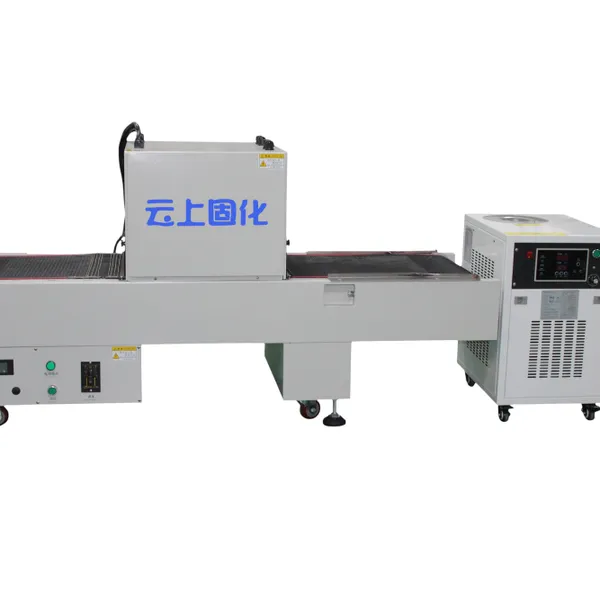
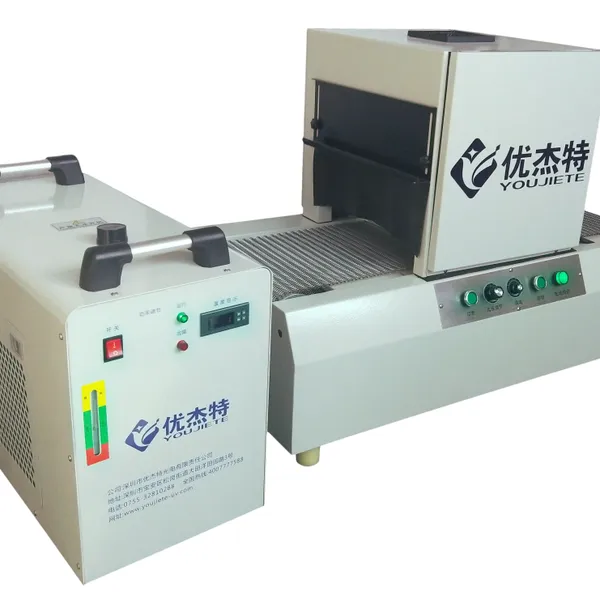
Youjiete Desktop UV LED Curing Tunnel Furnace, Conveyor Type LED UV Curing Machine for UV Adhesive, Ink, Coating DryingNegotiableMOQ: 1 Combo
-
Youjiete Industrial Long Water‑Cooled LED UV Curing Lamp Head, UV Ink Curing LightNegotiableMOQ: 1 Combo
-
Youjiete LED UV Curing Lamp, Water‑Cooled UV LED Curing System For UV Ink, Varnish & Adhesive CuringNegotiableMOQ: 1 Combo
-
YJT‑CT4 Water‑cooled LED UV Curing Lamp 395nm Custom Size Industrial UV Ink Glue Curing LightUS$ 1520MOQ: 1 Combo
-
Power 1500w Led uv Curing LightNegotiableMOQ: 1 Combo
-
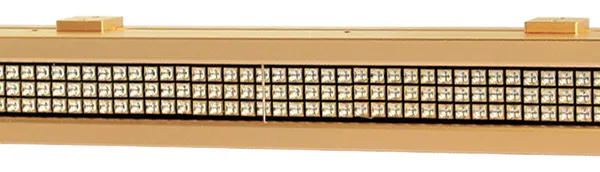
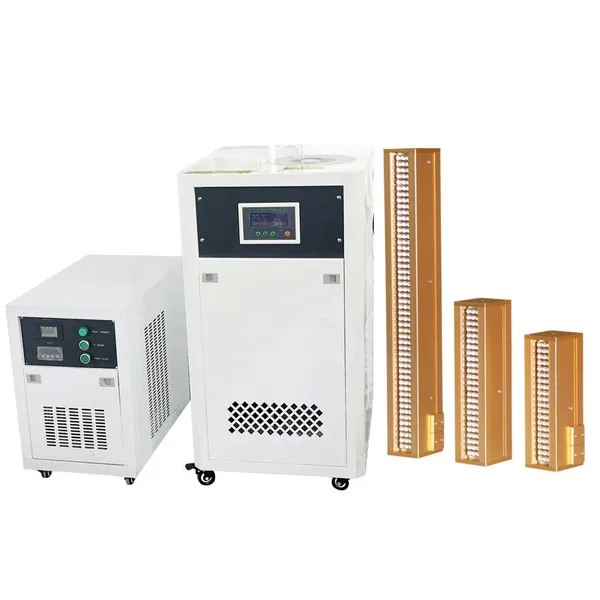
Green and Environmentally Friendly LED UV Curing MachinesUS$ 990 - 2000MOQ: 1 Combo
-
Advantages of Single Wavelength in LED UV Curing LampsUS$ 10000MOQ: 1 Combo
-
Is LED UV Harmful to Human Health?US$ 10000MOQ: 1 Combo
-
Advantages of Single Wavelength in LED UV Curing LampsUS$ 10000MOQ: 1 Combo
-
LED UV Curing LampUS$ 1980MOQ: 1 Combo
-
Green and Environmentally Friendly LED UV Curing MachinesUS$ 990 - 2000MOQ: 1 Combo